
The best projects of medical institutions 2021
Healthcare Architecture of the Year, presented by the Academy of Healthcare Architecture (AIA).
The Healthcare Design Awards showcase the best achievements in healthcare design, planning and research focused on healthcare design.
Penn Medicine Radnor Hospital
Architect: Ballinger
Owner: Penn Medicine
Location: Radnor, USA
Category: Built – over $25 million (construction cost)
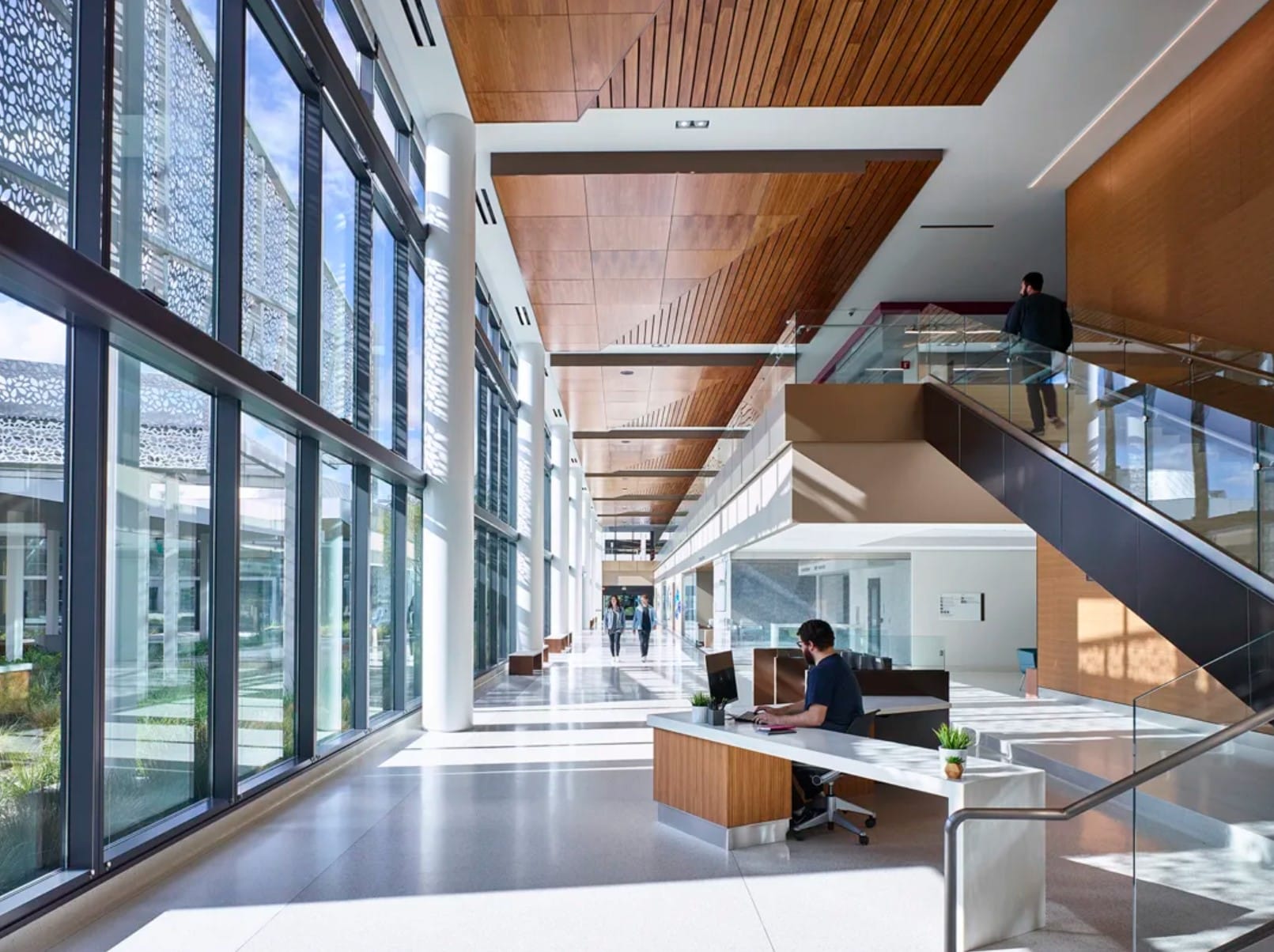
After the Penn Medicine hub had exhausted its ambulatory clinic, with insufficient ceiling height and a disorganized layout, it approached the Philadelphia administration to create a new $200 million center that would be focused on restoring the health of those who come there for help. The design of the new treatment center is inspired by concern for the environment and the ideals of biophilia, embracing nature and blurring the imaginary divide between indoor and outdoor space.
The new Penn Medicine facility is nearly twice the size of the previous center and offers patients primary care, comprehensive cancer care and other specialty treatments. The hospital includes six operating rooms, four endoscopy rooms and a full range of laboratory services. The project, which began in 2016, is part of Penn Medicine’s ever-expanding list of treatment centers. Treatment centers provide care closer to where patients and their families live.
“The landscape, which resembles a hilly park and reflects the natural character of the region, deserves its own design award.” – the jury’s comment
Sustainability and patient experience were two of the most important issues when designing the four-story, 23,225-square-meter facility. Drawing on evidence-based design throughout the process, the team organized extensive planning workshops to justify their design decisions and ensure that the project would improve communication and staff effectiveness. The clinic’s flexible modules allow the project to keep pace with ever-changing needs. Many configurations of design options were tested during the planning stages, which demonstrated a 38% reduction in patient journey time and a doubling of patient care space.

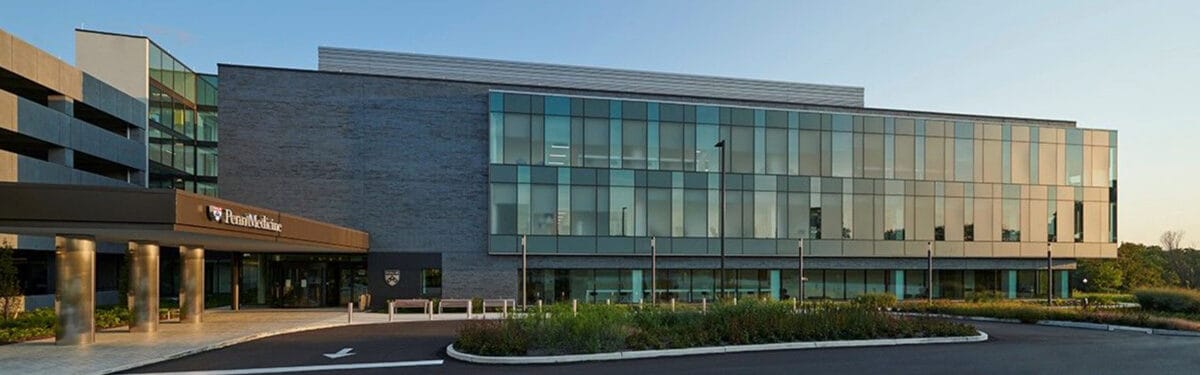
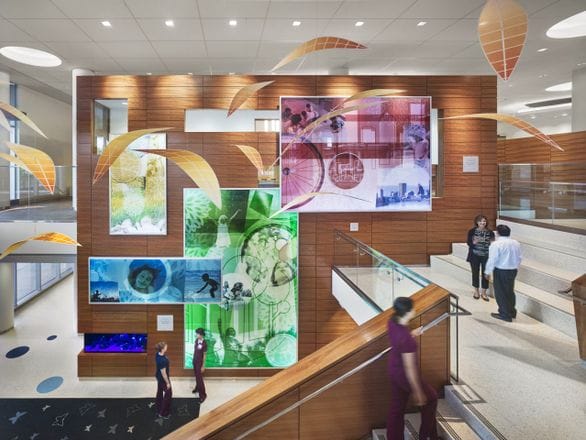
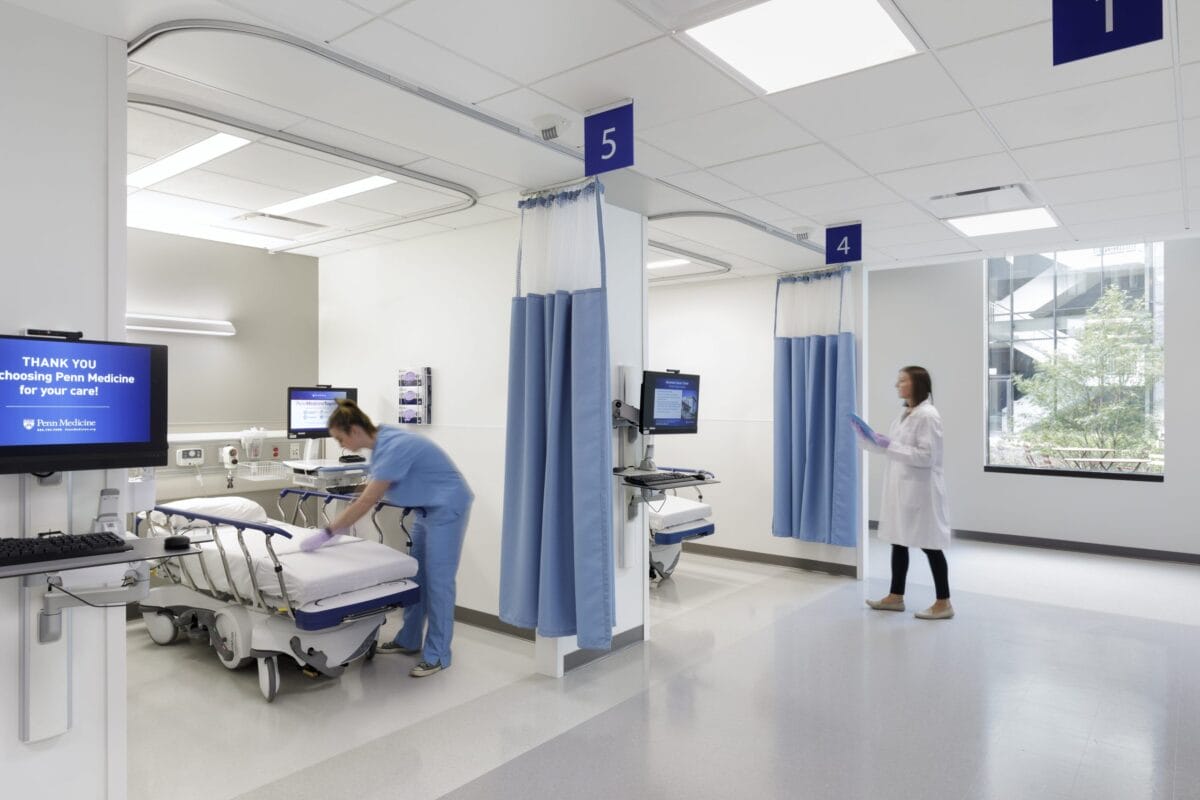
The facility occupies what was once a derelict suburban office park built in the 1960s. Like much of the suburbs of that era, the original buildings were located in the center of the site and surrounded by surface parking. This new development completely changes this model, placing buildings on the periphery of the site and turning the center into a lush green area. Parking was transferred to garages, which reduced the coverage of the lot from 65% to 45%.
Since the center opened, the surrounding community has loved the facility and the public walking trails that connect to the larger regional network. The design team worked closely with the client and the community to develop a landscape plan that supports the local ecosystem through warm-season grasslands and tropical gardens rich in native plants.
“The building is an elegant but restrained background for the landscape with spectacular and purposeful elements of admiration.”, the jury’s comment
When the facility opened in 2020, it was testing for COVID-19. Its spacious interior allowed for comfortable social distancing, and its central location made it a popular testing location.
Rainier Beach Clinic
Architect: Mahlum
Owner: Northwestern Kidney Center
Location: Seattle, Washington, USA
Category: Built – less than $25 million (construction cost)
This project was born out of Northwestern Kidney Center’s desire to change the standard of care for the nearly 500,000 Americans living with chronic kidney disease. Across America, patients are often forced to spend up to 16 hours a week on dialysis, in overcrowded and inpatient outpatient clinics. To revolutionize this field of treatment and demonstrate a more humanized form of dialysis care, Northwest Kidney Center chose Seattle’s Rainier Beach neighborhood to build a new clinic.
Located in a developed area, the new clinic with an area of 1,114 square meters. provides emergency care to more than 100 dialysis patients who live within one kilometer of the facility. Before this clinic opened, patients traveled two hours to the nearest hospital, which is located in downtown Seattle.
“This small project takes a significant step in solving local problems that have global significance,” commented the jury.
Through patient surveys, clinical observations, and existing medical literature, the development team hypothesized that direct contact with nature could contribute to better patient care and positively impact staff performance. Following this evidence-based approach, the team arrived at a unique clinic layout that offers all patients an equal view of the garden courtyards, while maintaining the necessary strict requirements for the ratio of patient care groups and lines of sight. Overall, the interwoven strategies of the center’s biophilic design have created an immersive and therapeutic environment.
“A focus on biophilic design has resulted in enhanced dialysis treatment options through a simple yet thoughtful planning solution that provides access to natural light and views to the surrounding environment.”
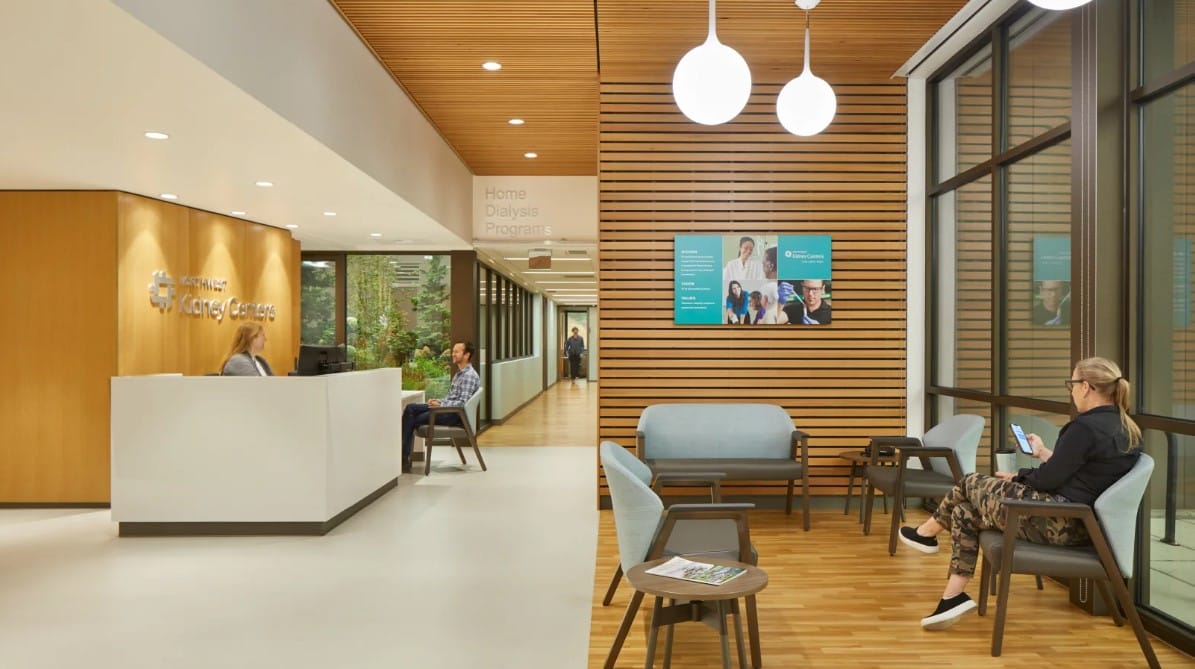
Inside, all patients are provided with an area with solid walls behind them as they face the environment. The windows of each ward offer views of seasonally changing grassy areas, and sufficient daylight is provided to help capture the patient’s circadian rhythms. Being able to observe the movement of birds also helps patients to distract and de-stress during treatment. Throughout the facility, the design team applied a palette of natural and warm materials to avoid the institutional feel of typical dialysis clinics.
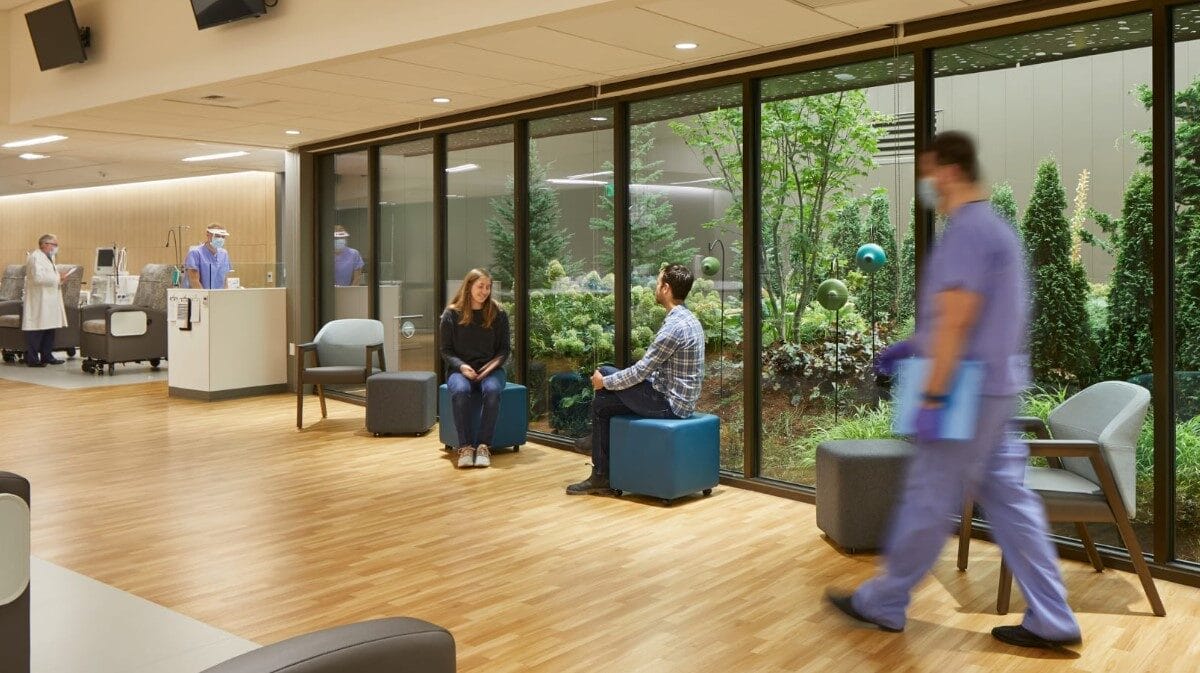
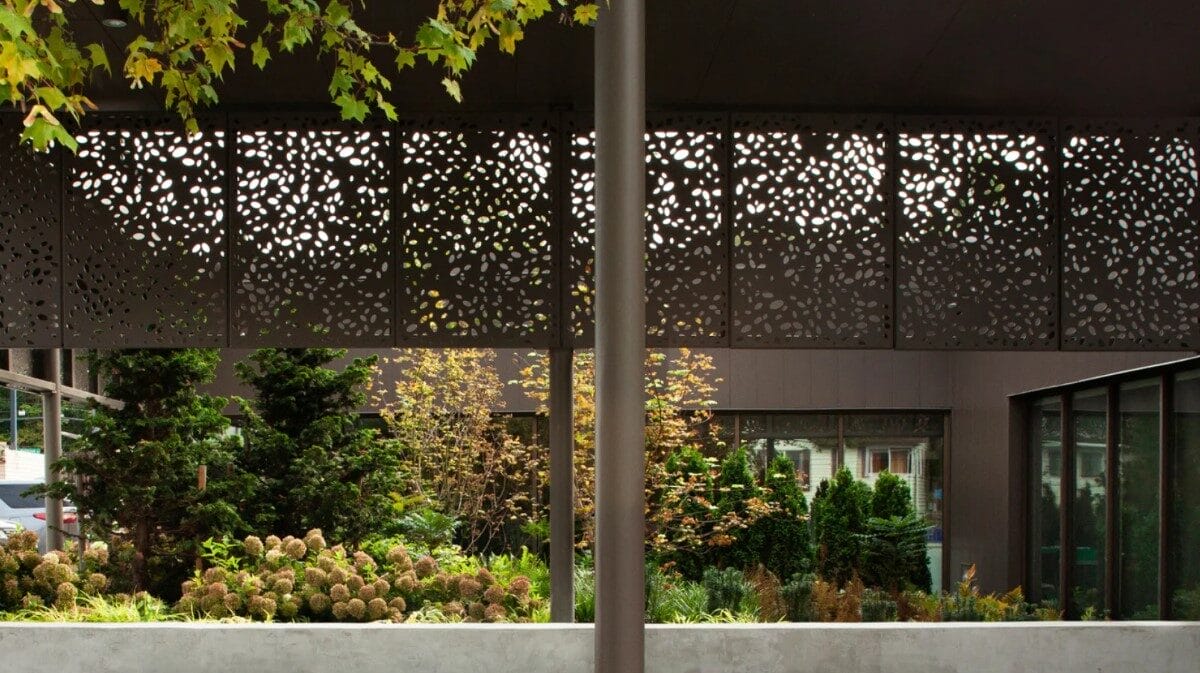
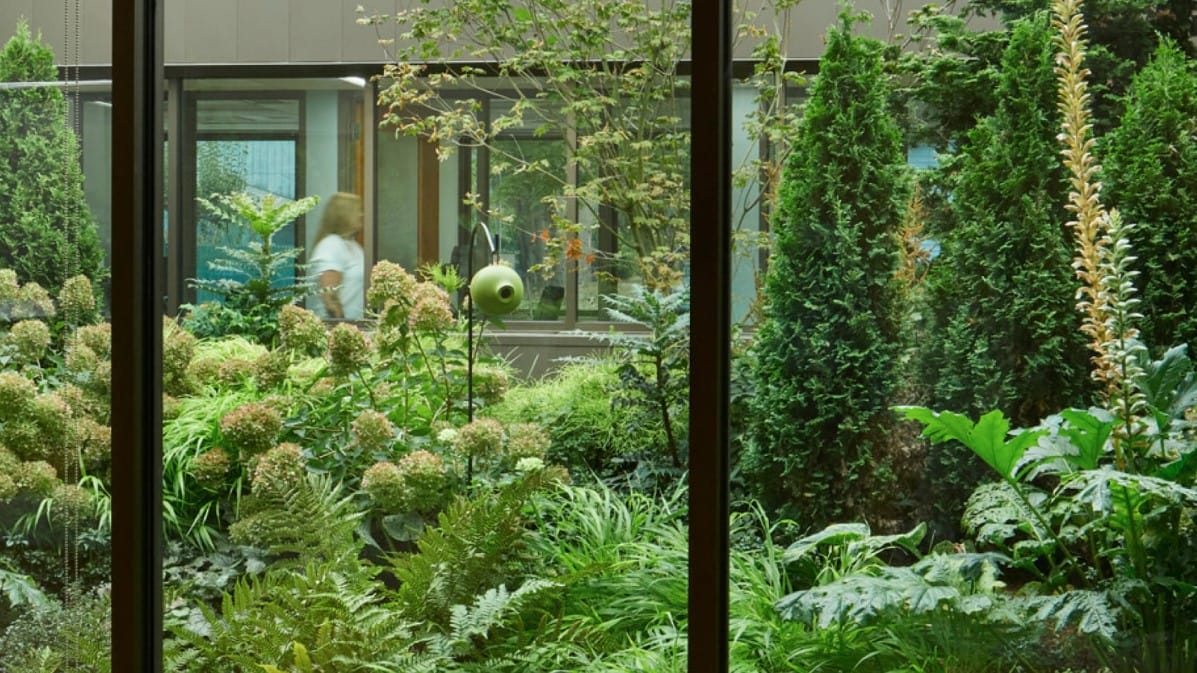

As well as the standard of service it provides, the clinic has also radically changed the urban area in which it is located. This place used to be a warehouse for tires and abandoned cars. The clinic’s new interior and exterior courtyards have restored the natural environment by integrating it with some of Seattle’s existing green spaces. All rainwater is removed through two biofiltration gutters planted with reeds and sedges, visible only to patients and staff.
Rancho Los Amigos National Rehabilitation Center
Architect: SmithGroup
Owner: Ben Ovando
Location: Downey, California, USA
Category: Built – over $25 million (construction cost)
Founded in the late 19th century, Rancho Los Amigos has long been a leading rehabilitation center for adults and children recovering from severe spinal and brain injuries, strokes, and physical and developmental disabilities. Owned and operated by Los Angeles County, the center offered world-class treatment, but it was weakened by inefficient layouts, outdated one-story buildings that dot the 85-acre site. This project radically changed the institution, bringing it into line with the ideals of a holistic and person-centered rehabilitation process.
“This project touches all the bases, and the solution is energizing and inspiring.” – the jury’s comment
A team of designers was commissioned to develop both a master plan and a design for the campus, underpinned by a comprehensive revitalization. The new facility operates as an indoor/outdoor recovery area, blurring the lines between indoor and outdoor spaces so that rehabilitation can extend beyond hospital walls, a significant benefit for patients who may spend months or years in hospital during recovery. The old concrete parking lots have been replaced by spacious outdoor dual purpose spaces surrounded by healing gardens, terraces and amphitheatres. The facility also includes a new health center, upgraded hospitals and a three-story ambulatory center that brings together all outpatient services under one roof for the first time.
“I can only imagine how wonderful it would be to receive rehabilitation services at this facility and on this wonderful, well-integrated campus. Much of the design success of the project is the result of how well the spaces are intertwined with each other with natural light and how successfully the boundaries between indoor and outdoor spaces are blurred.”
New and renovated buildings are clustered around a central square that forms the heart of the campus. The center’s 50-meter-tall tower acts as an iconic landmark, harkening back to the Renaissance Mission’s heritage while balancing modern textural elements. Many of the buildings are covered with metal mesh, evoking memories of the large orange groves that once flourished on the site. Conceptually, the campus references the weaving art therapy that became the hallmark of Rancho Los Amigos treatment more than a century ago. The facility’s winding paths and elliptical plazas connect the grounds together, and a rest track with bench seating every 45 meters stretches across the campus.
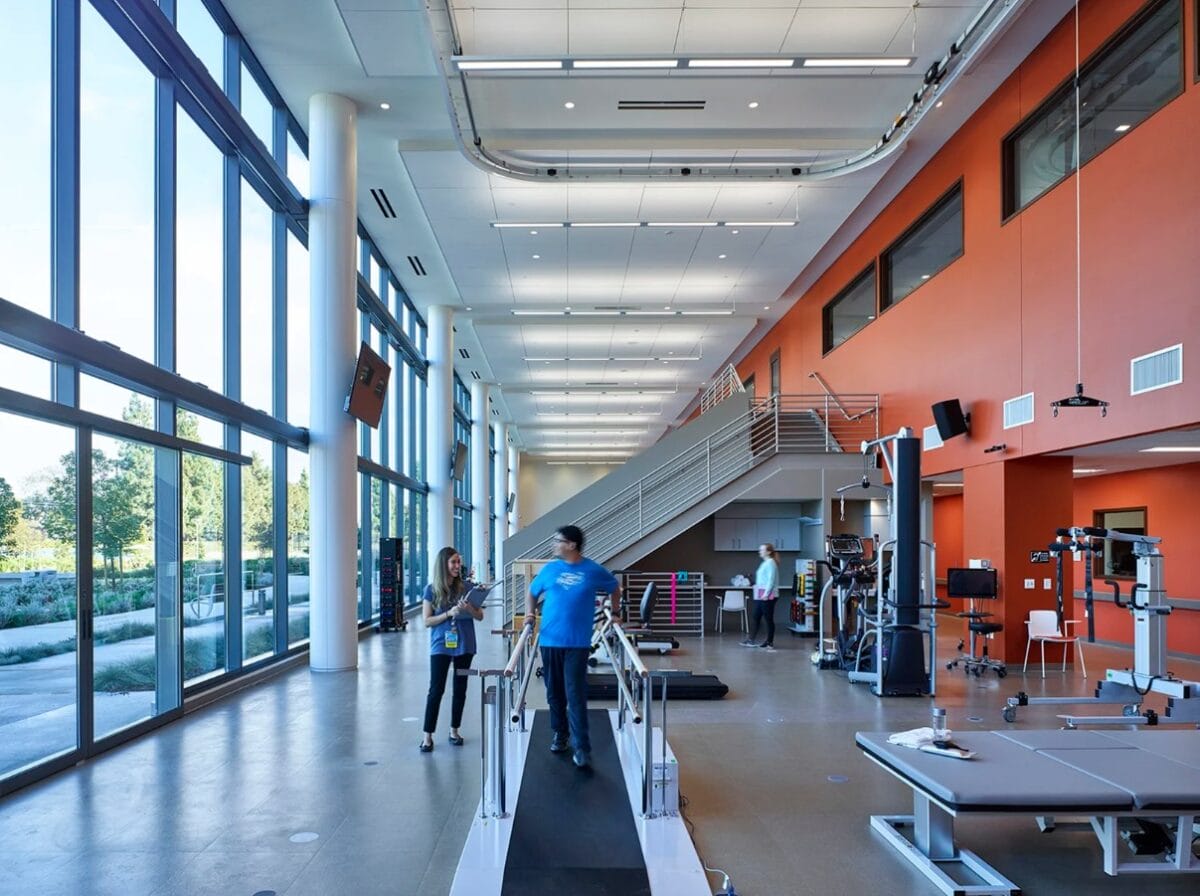
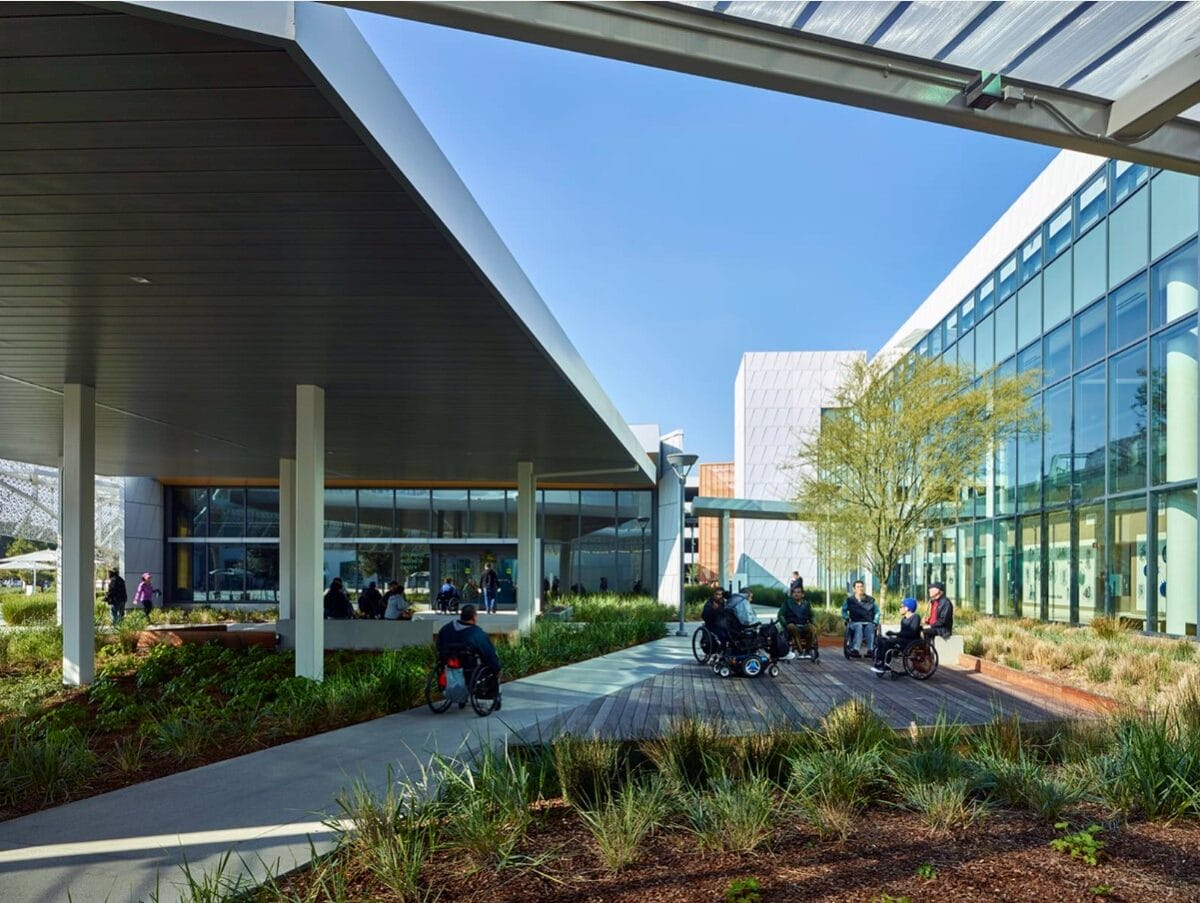
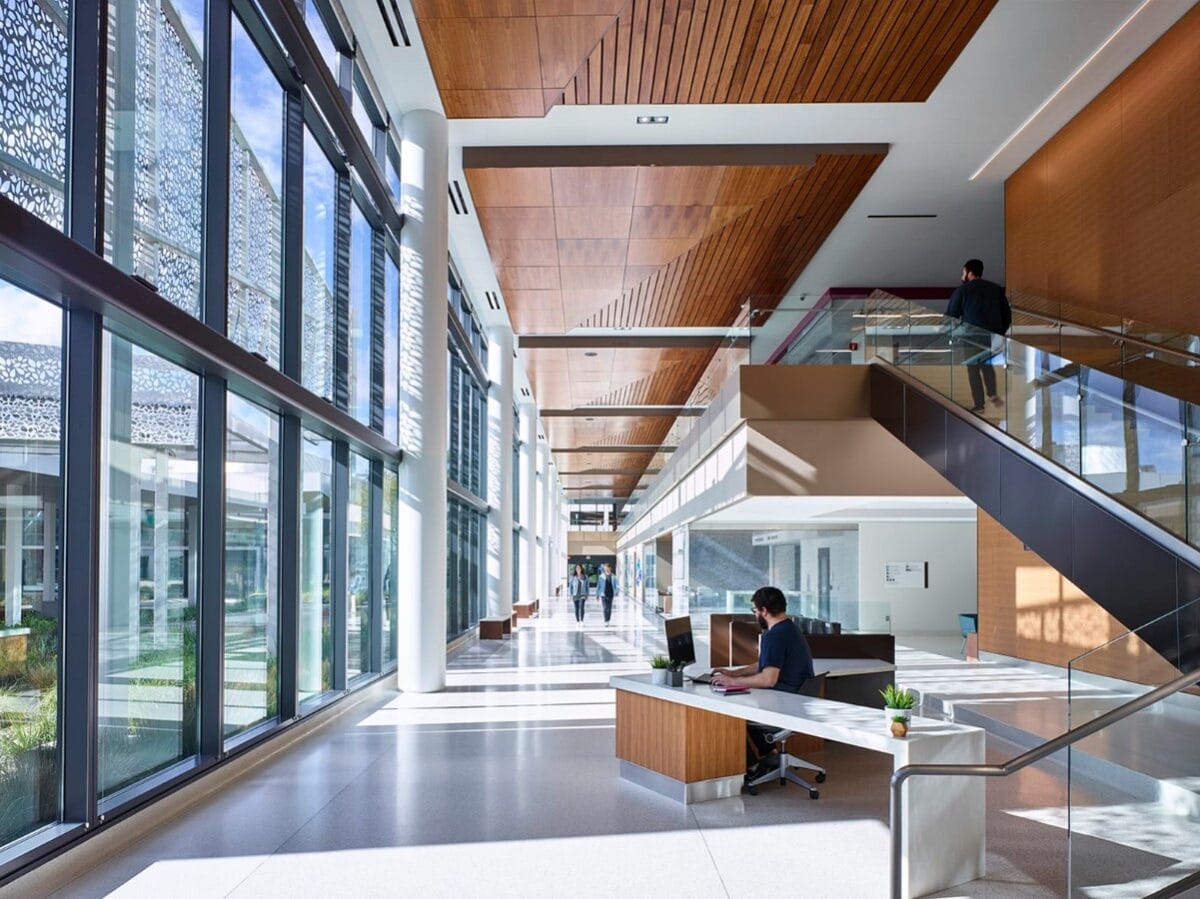
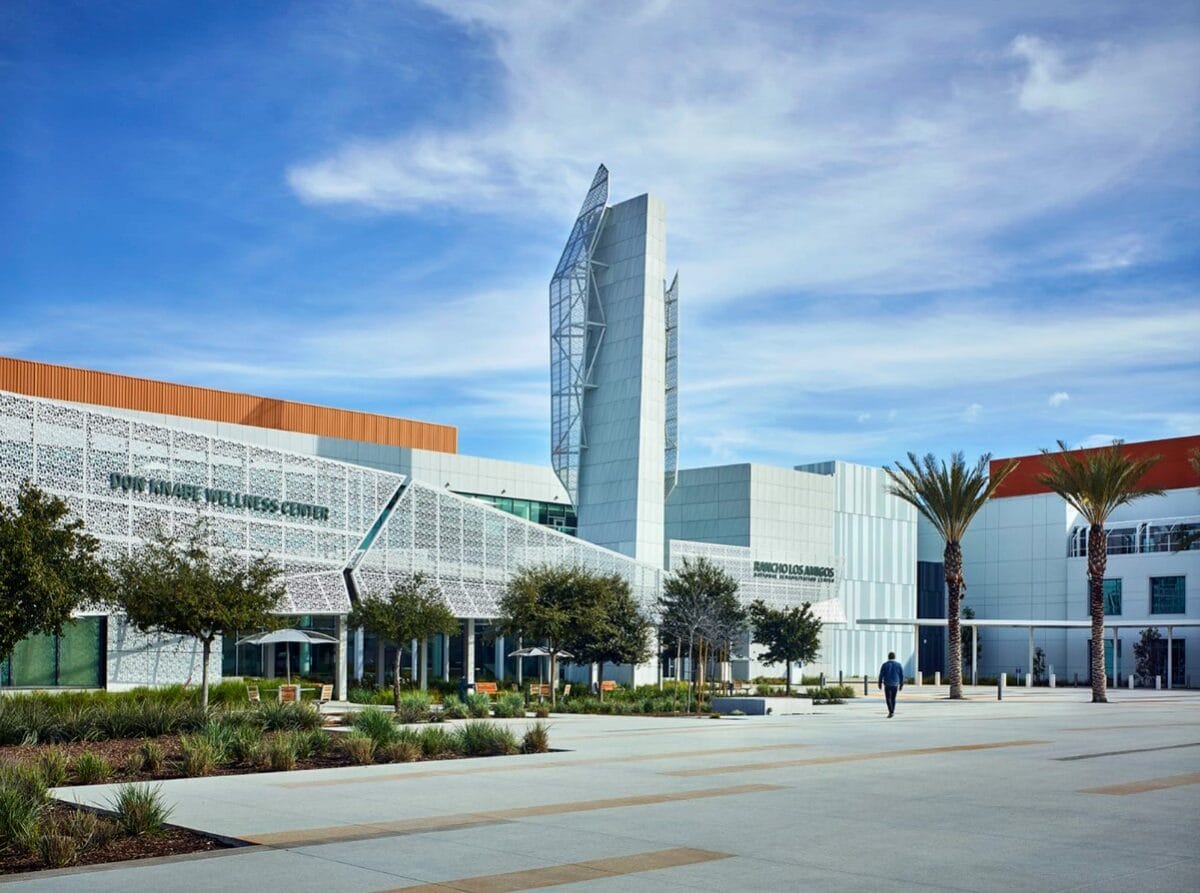
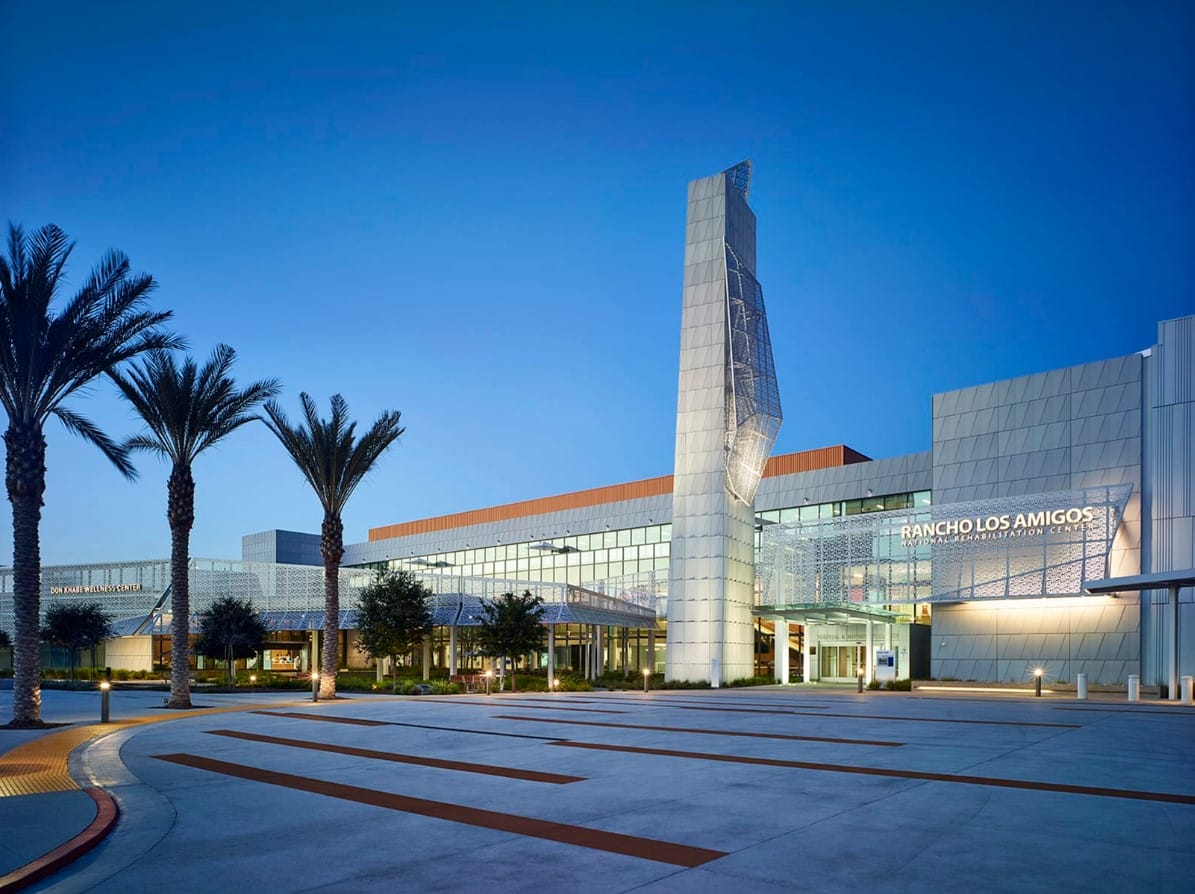
Transformative design successfully connects people with each other, offering spaces for communication, learning and healing. Well-ventilated and light-filled indoor therapy rooms open onto outdoor areas where the focus is on developing strength and coordination. Therapy can take place anywhere and anytime, it is an intervention that has already produced tangible results. Patients experienced a 5.7% reduction in BMI and reported significantly lower levels of pain. In addition, they demonstrate greater confidence in managing their health, are more physically active, and have greater access to their support networks.
The David H. Koch Cancer Center at Memorial Sloan Kettering Cancer Center
Architect: Perkins Eastman Architects & Ennead Architects
Owner: Memorial Sloan Kettering Cancer Center
Location: New York, New York, USA
Category: Built – over $25 million (construction cost)
The new 70,000-square-foot David H. Koch Cancer Care Center at Memorial Sloan Kettering Cancer Center is a state-of-the-art building for the prevention, control and, ultimately, cure of cancer. The center is the largest stand-alone cancer facility for both Memorial Sloan Kettering and New York City as a whole. Across its 25 floors, the center offers seemingly every aspect of cancer care, allowing patients to access a variety of services they may need in one visit.
The $1.5 billion hospital has 1,300 employees and has 231 exam rooms, 110 private infusion rooms, 37 procedure rooms and 16 beds for patients requiring short stays. The hospital serves those in need of hematological oncology and interventional radiology, as well as those dealing with endocrine, head, neck, lung and thoracic cancers. The center also conducts clinical trials and outpatient bone marrow transplantation.
“A simple approach to the massif and the facade allows you to break down the huge structure to create an iconic architectural solution” – the jury’s comment
The building consists of several smaller-scale facade elements that help break up the massif into smaller volumes. This strategy has created a welcoming facility that meets programmatic needs for openness and privacy. The team carefully studied the floor space requirements for the center’s diagnostic departments, including one of the country’s first MR-Linac complexes, which formed the five lower floors. Clinical areas are located on the floors above. They were designed as areas of small doctor’s offices. The hospital also has several floors of research offices, reflecting Memorial Sloan Kettering’s long history of collaboration between physicians and scientists.
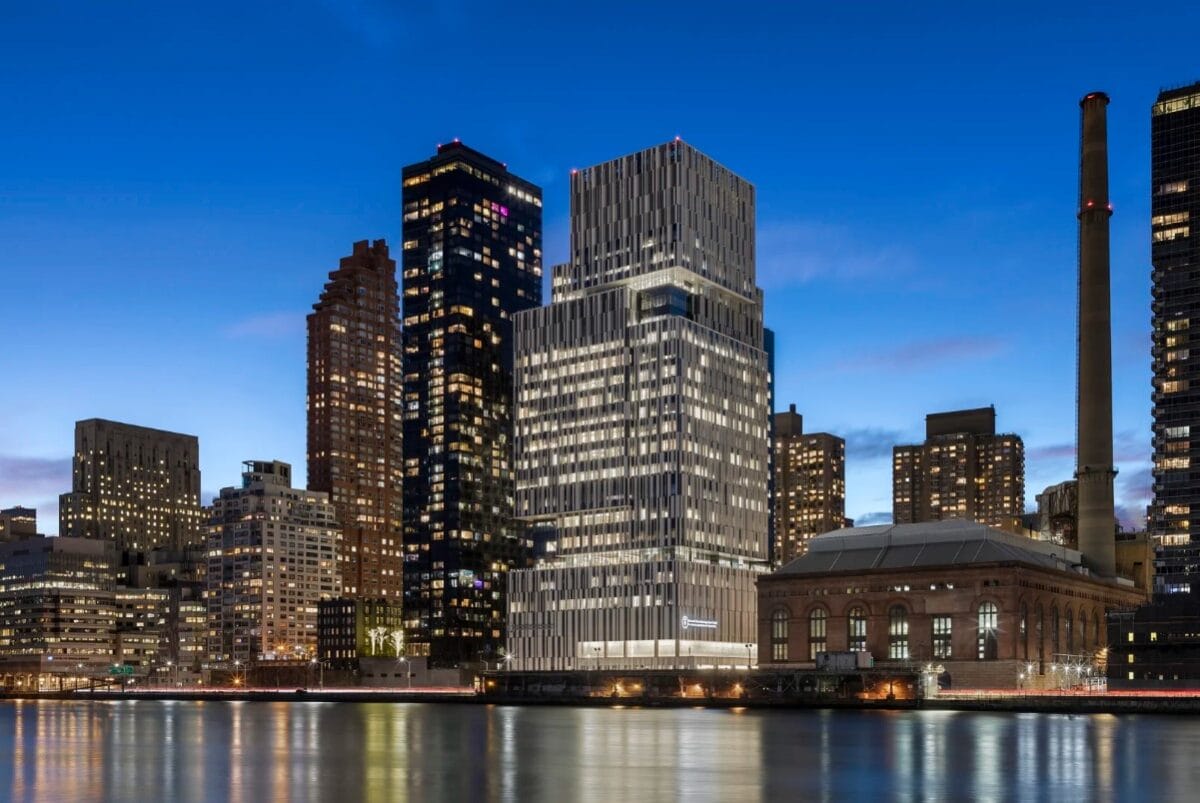
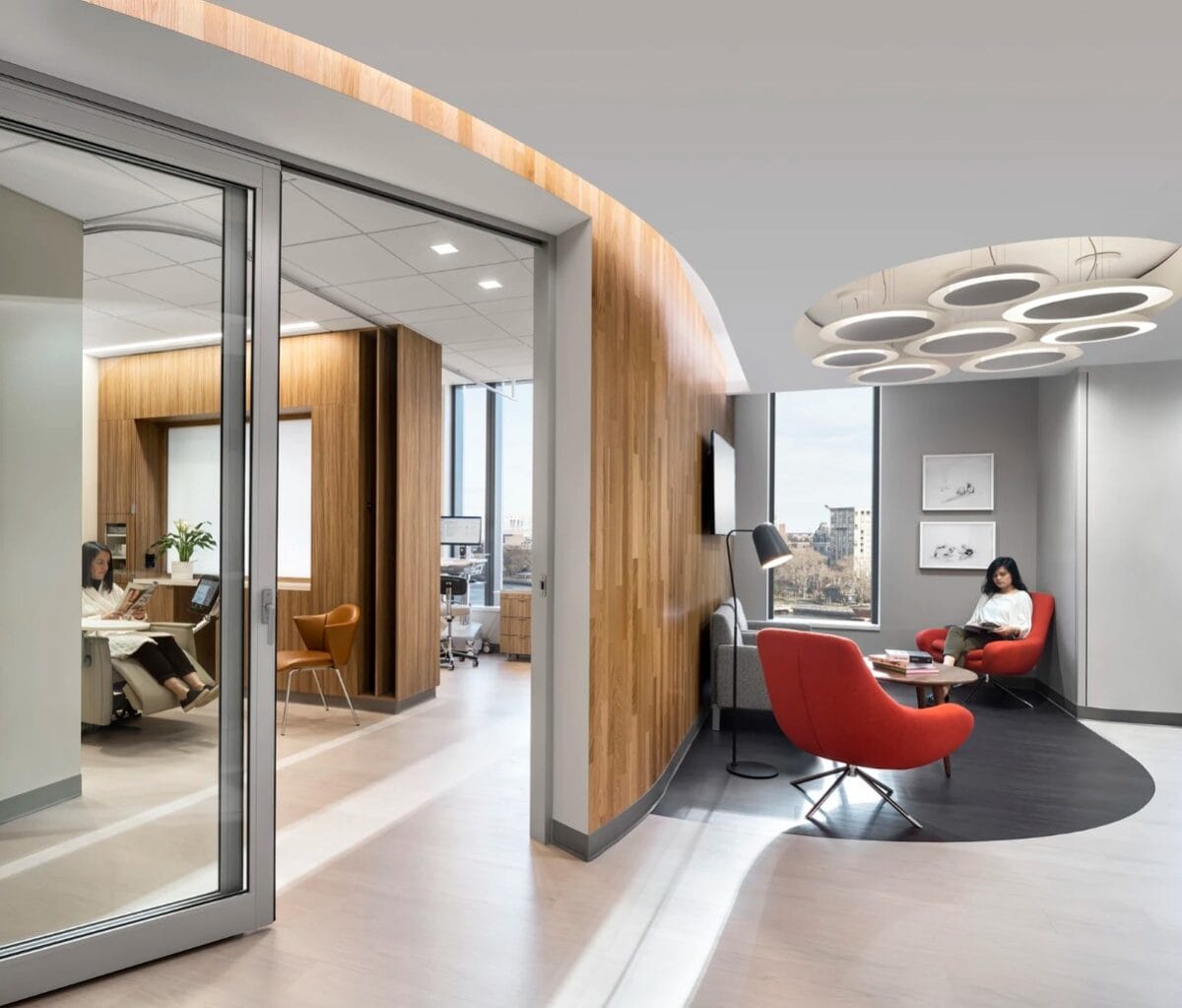
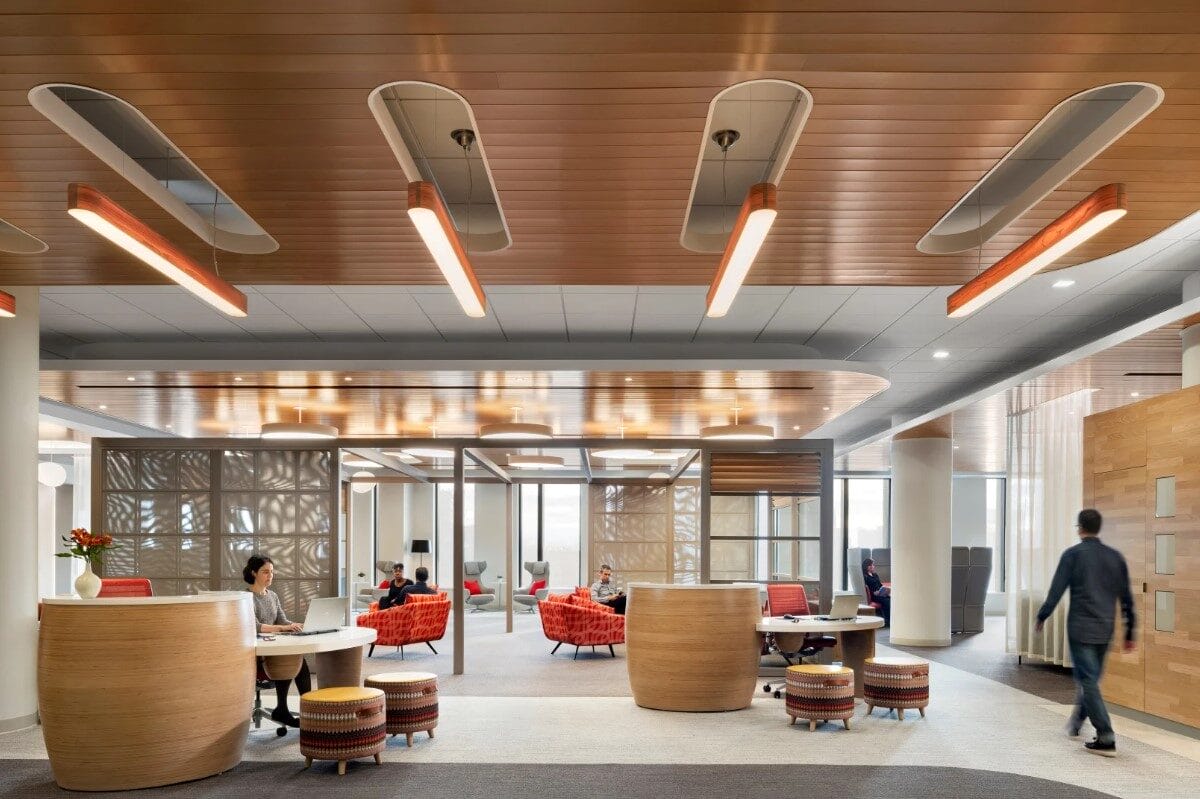
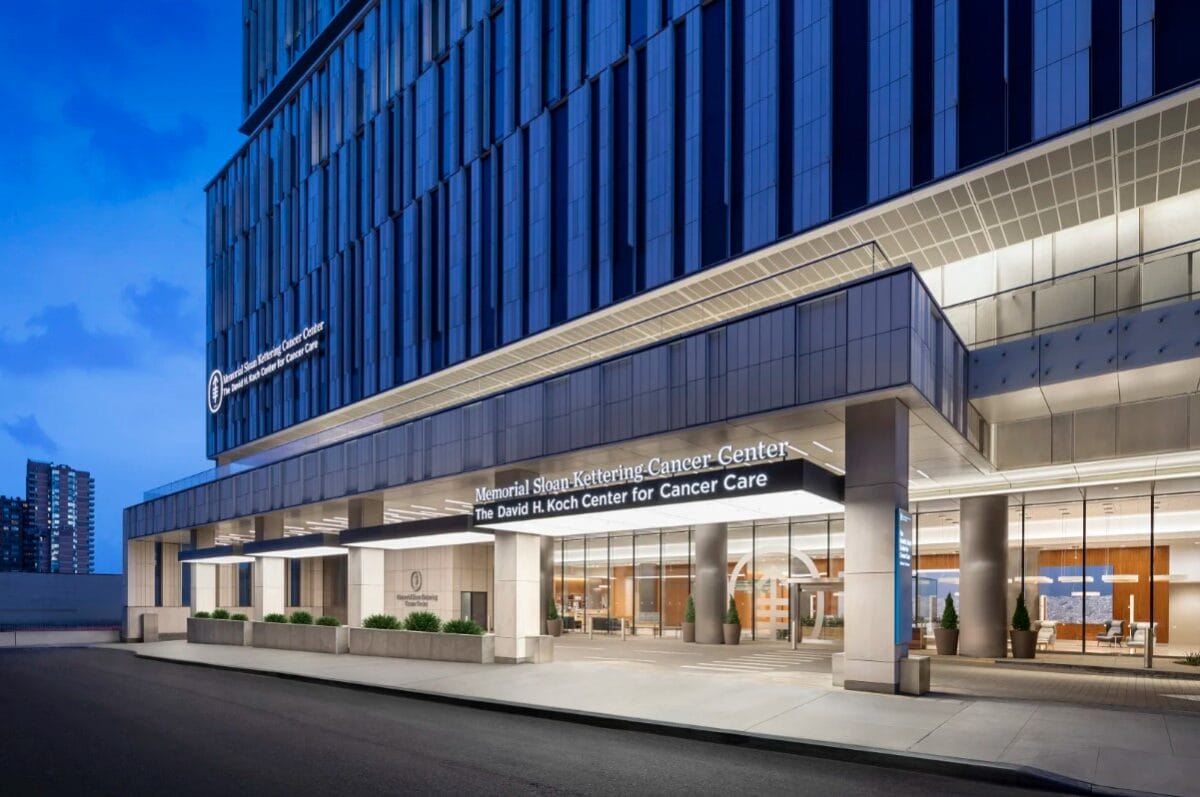
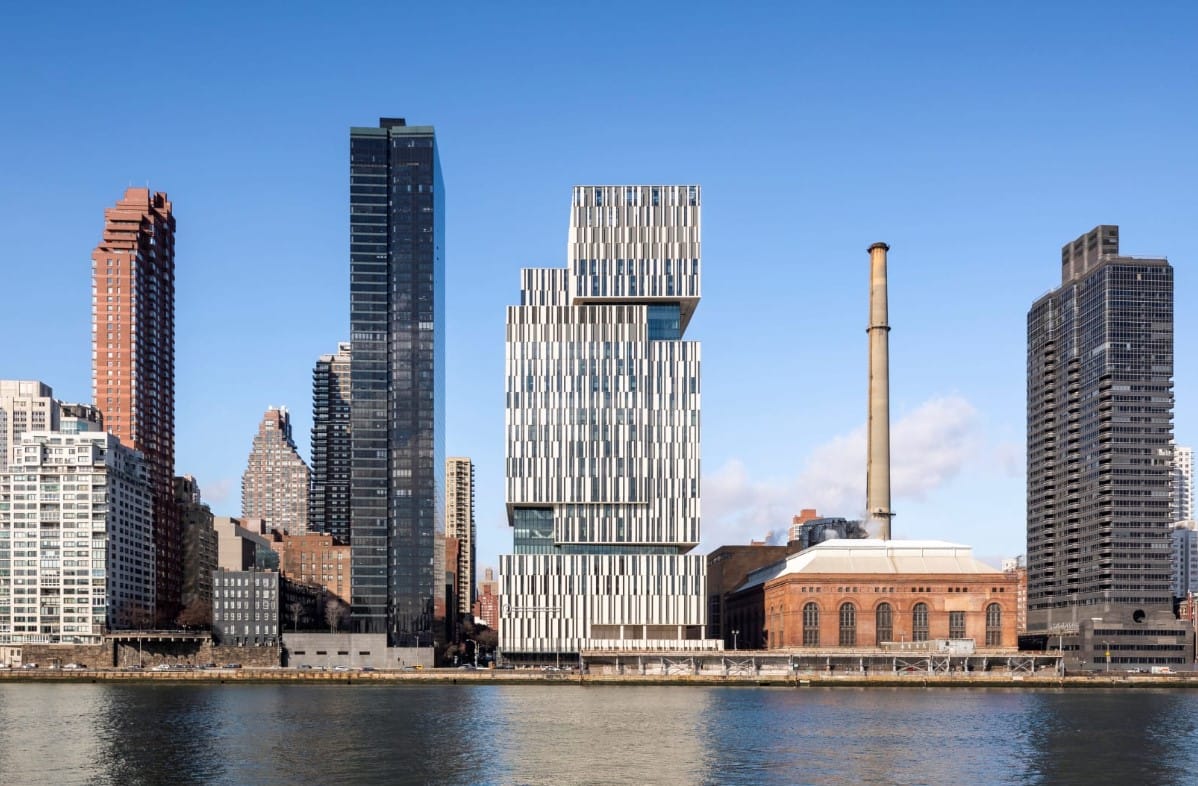
Along the facade of the building, varying rib depths and window sizes respond to solar orientation and programmatic requirements while providing a distinct external identity. The shape of the facade reduces excess solar heat and glare, but also provides staff and patients with ample natural light and stunning river views. The balance of light and views is central to the hospital in creating a welcoming and healing environment.
“Functionally, its activities push the boundaries in medicine while providing warm and welcoming spaces in this urban jungle context.” – the jury’s comment
One of the center’s most innovative features is the integration of Real Time Location System (RTLS) devices. Thanks to RTLS technology, patients are not tied to waiting areas. With this system, the patient does not have to stay in the waiting area all the time and wait for him to be called. Instead, he can be anywhere, and when his turn comes, he will be summoned remotely. Also, given that the hospital is located next to a river, the building’s systems are reinforced with features that will allow it to continue operating even in the event of a 500-year flood.
US Department of Veterans Affairs, Ambulatory Care Center
Architect: LEO A DALY
Owner: US Department of Veterans Affairs
Location: Omaha, Nebraska, USA
Category: Built – over $25 million (construction cost)
The project, the first-ever public-private project for the United States Department of Veterans Affairs, was born out of a community that cared about veterans. Built in 1950, this aging facility struggled to provide adequate services to a growing veteran population. The architecture, which stands out among more than 1,200 facilities, creates an exciting experience for both patients and staff.
“The architects managed to create a cheerful spirit by using a color reminiscent of military awards and created an interesting play of colors inside” – the jury’s comment
From conception to completion, the project was managed by the specialists involved. In 2010, the existing medical center was slated for renovation, prompting a group of concerned citizens to lobby Congress for the CHIP IN for Vets Act. When passed into law, it made it possible to combine $30 million in donations with $56 million in previously allocated federal funds for the design and construction of a new clinic building.
This allowed the team to use a common delivery method while maintaining the flexibility to adapt hospital design guidelines to specific project criteria. It was also possible to build the hospital almost twice as fast as the planned schedule and with significant cost savings compared to similar projects.
The medical center program reduces the burden on the aging hospital by redirecting primary and secondary care to outpatient settings. Eight primary health care clinics, a specialized clinic, a radiology department, as well as a laboratory and a pharmacy are located on three floors of the center. The building is connected to the existing hospital through an enclosed gallery.
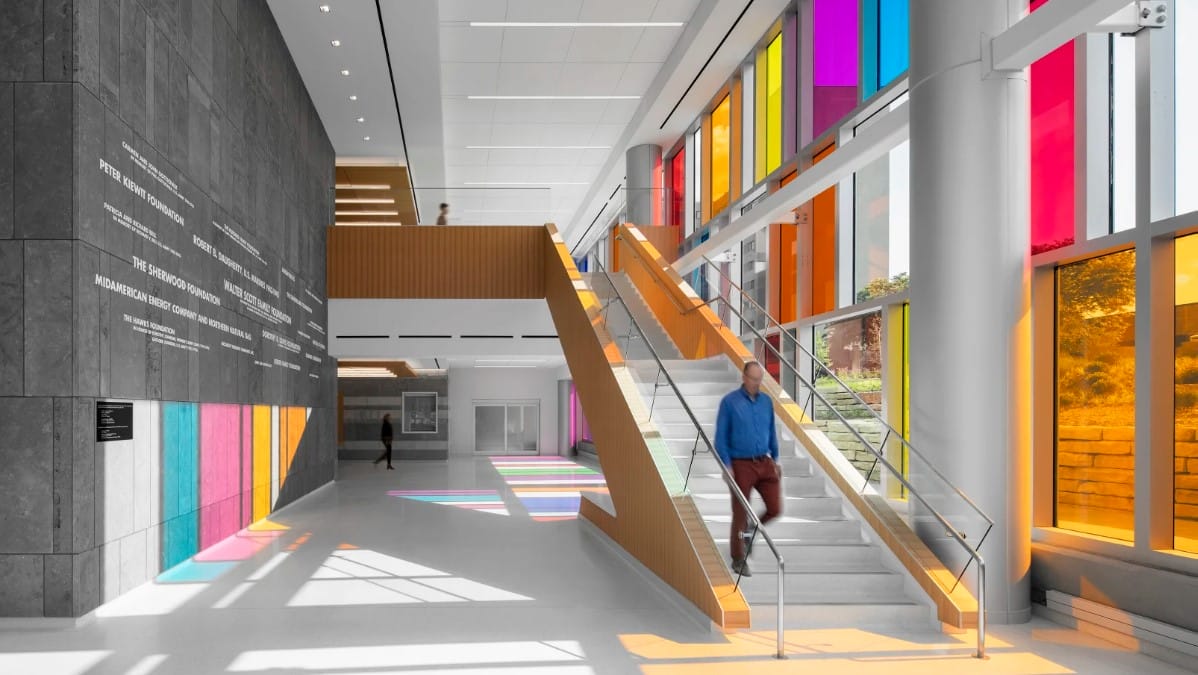
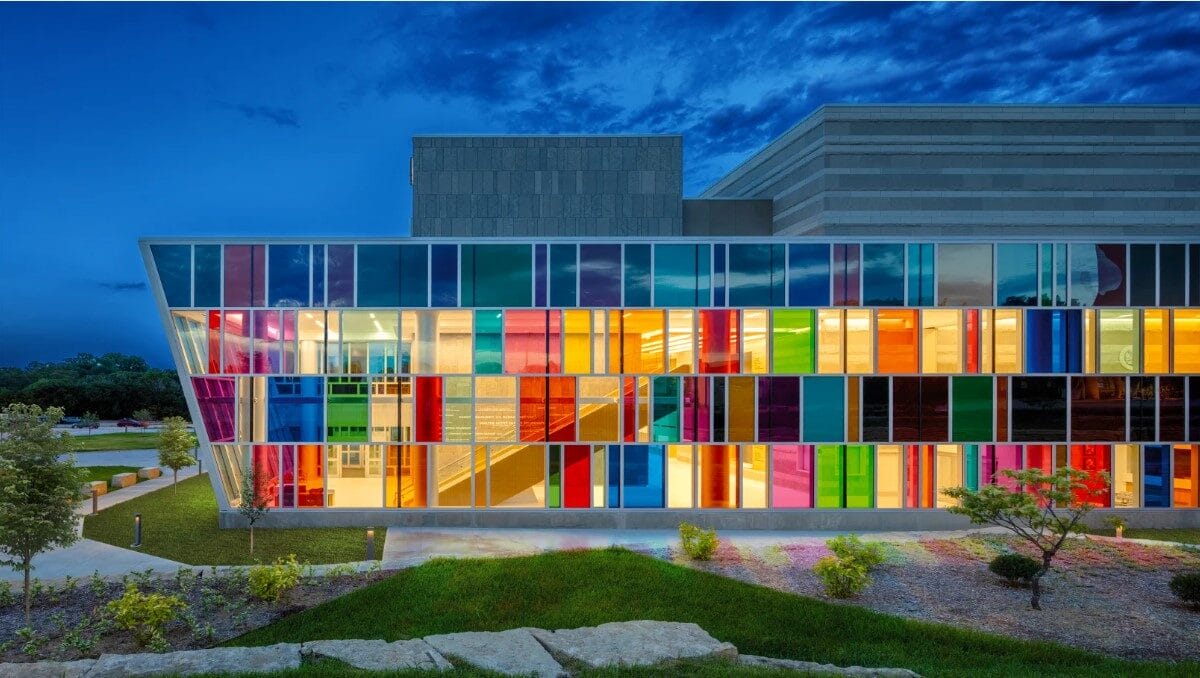
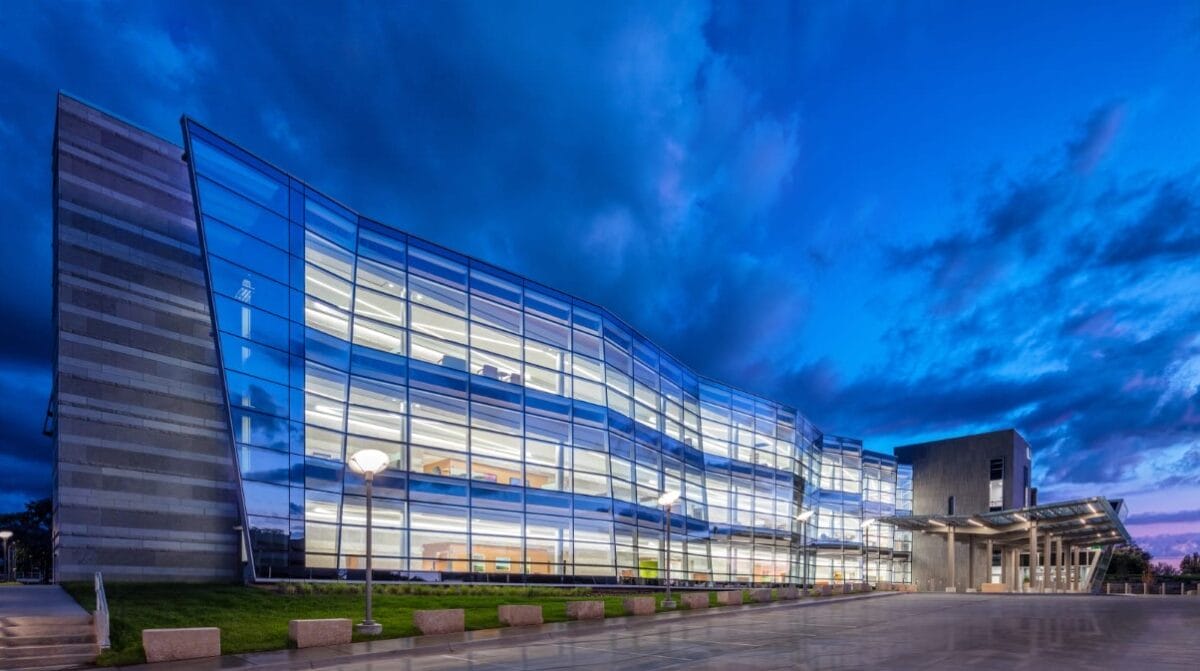
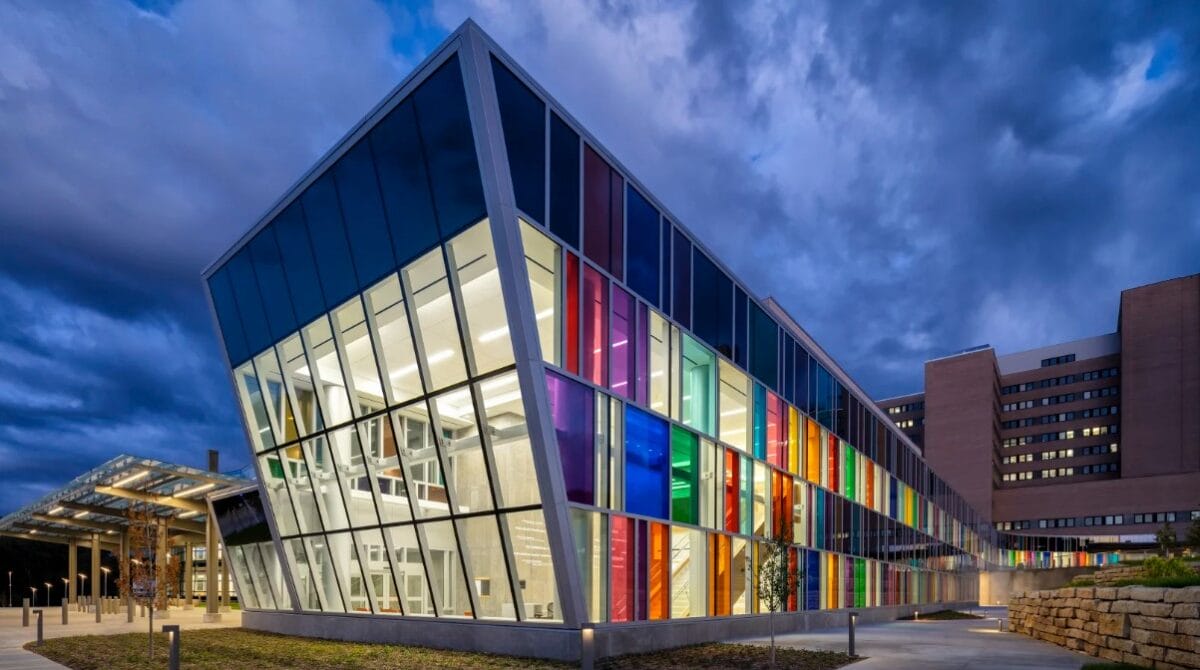
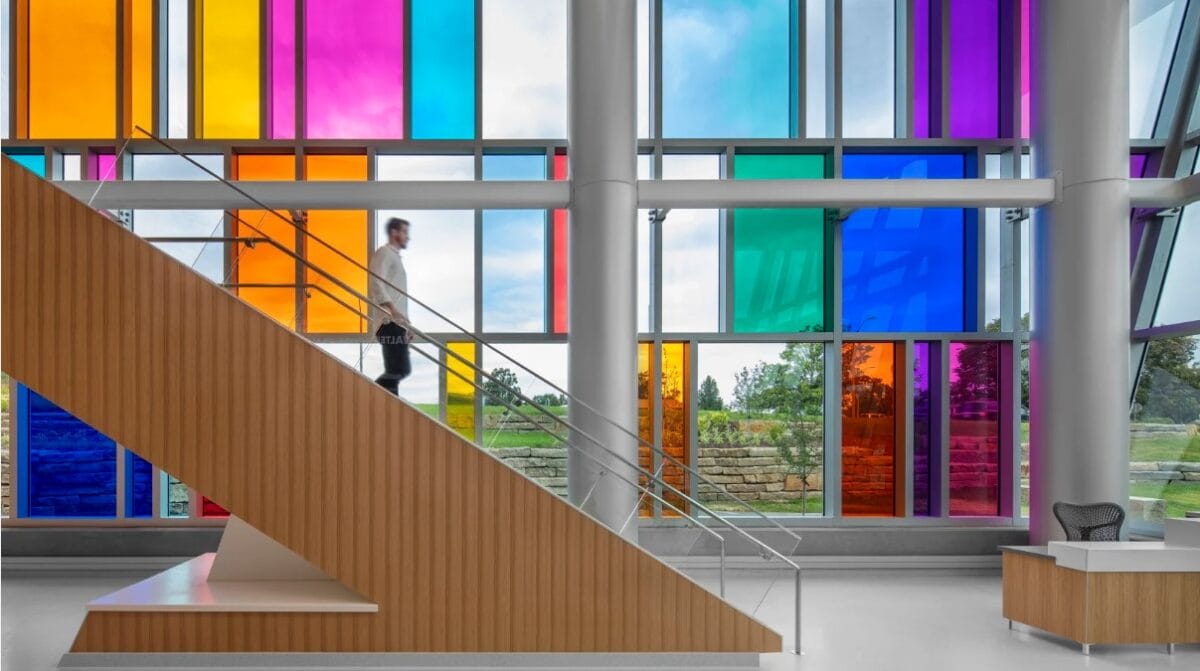
The logistics path to the hospital is shaped by architectural elements and expressed by three bold aesthetic touches that unfold throughout the hospital’s design.
“In what can sometimes be a sterile environment, the architects brought a level of enjoyment by not shying away from color and using it skillfully in the design.” – the jury’s comment
The north facade of the hospital resembles a wavy flag that guides patients and staff to the entrance of the building. It wraps around the waiting area, designed as a single continuous space to support social connections. The west facade, which covers the hospital lobby and pedestrian crossing, uses multi-colored glazing that resembles military chevrons. In the waiting area, a limestone wall guides patients to examination rooms. The shape and material of the wall resemble the layers of the soil.
University of Cincinnati, Gardner Institute for Neuroscience
Architect: Perkins&Will
Owner: University of Cincinnati Health
Location: Cincinnati, Ohio, USA
Category: Built – over $25 million (construction cost)
On the campus of the University of Cincinnati, the Gardner Neurology Institute provides a comfortable environment for sensitive patients and their families. The institute also brings together about 125 faculty members from university centers, housing them in a state-of-the-art building for teaching and research in complex neurological diseases. The building serves as a new gem for the medical campus and is the center of UC Health’s world-class research.
The 10,590-square-foot Gardner Institute of Neurology is a patient-centered facility, and every element of the design has been carefully developed with the involvement of patients, their families and caregivers. The team also enlisted the services of a “neuroarchitect,” whose expertise in architecture and clinical neurology informed design elements that enhance the patient experience.
“A project that can be properly described as a single work of genius.” – the jury’s comment
UC Health approaches treatment from a humanistic perspective, and the patient population served by the institute deals with unique challenges. To accommodate patients prone to nausea, dizziness, fatigue or those with musculoskeletal problems, circulation within the building is quite simple. As patients move along the southern facade, they can always orient themselves to the street views before being escorted to the institute’s central clinical spaces. Patients arriving at the hospital can park in one of the 172 spaces offered by the two parking lots before heading to their appointment, greatly simplifying the arrival sequence.
“The project embodies the concepts of purposeful and research/scientific design to improve care and treatment.” – the jury’s comment
The desire of the team of architects to respond to the needs of patients is manifested in the unique facade, which consists of a special mesh made of polyester fiber. The mesh absorbs excess heat and glare while allowing natural light to enter. Minimizing glare is critical for neurological patients because it is visually disorienting. Looking at the east, west and south sides of the building, the polyester planes resemble origami, emphasizing the combination of classical and modern architecture.
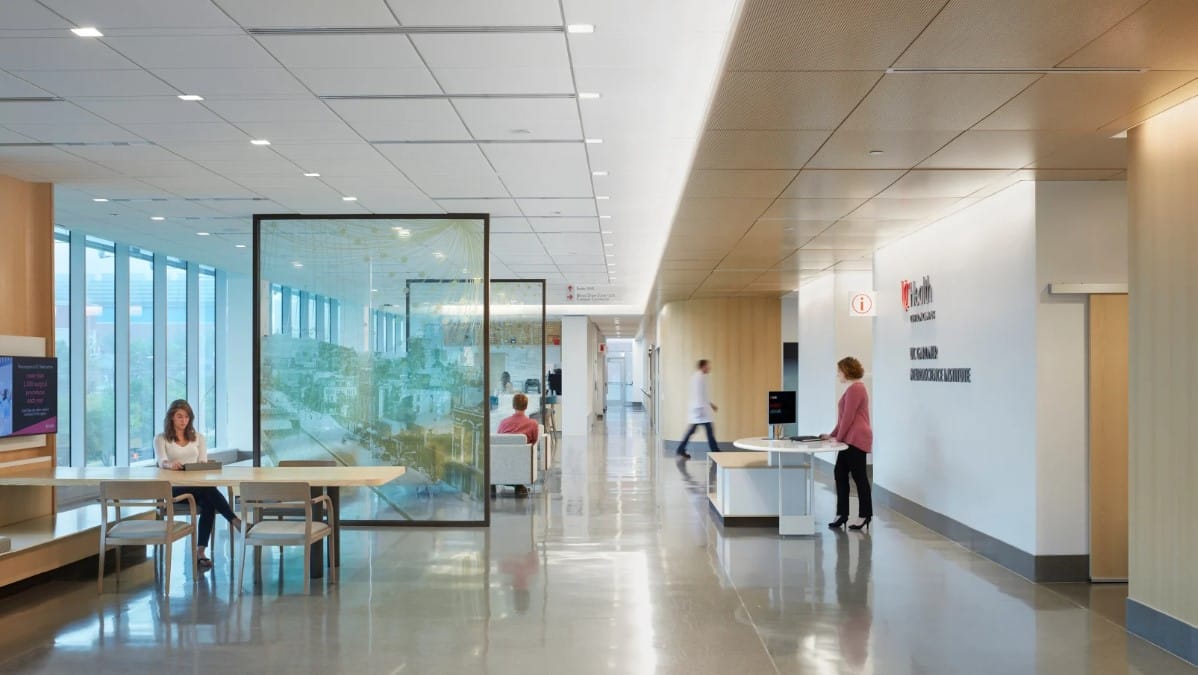
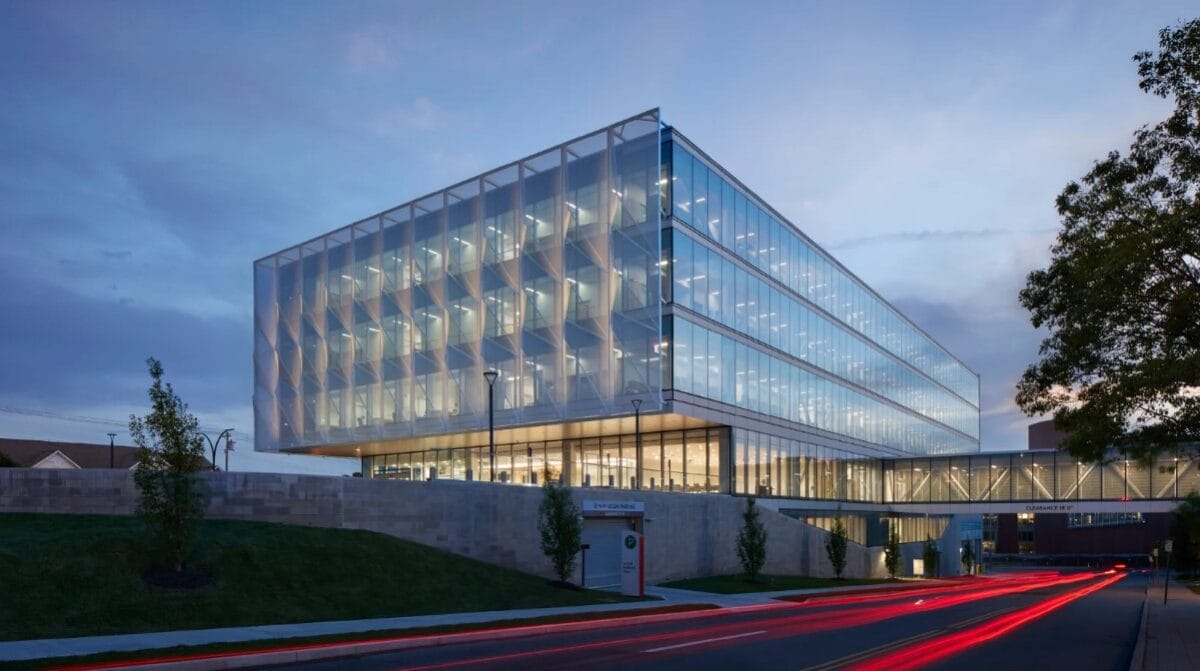
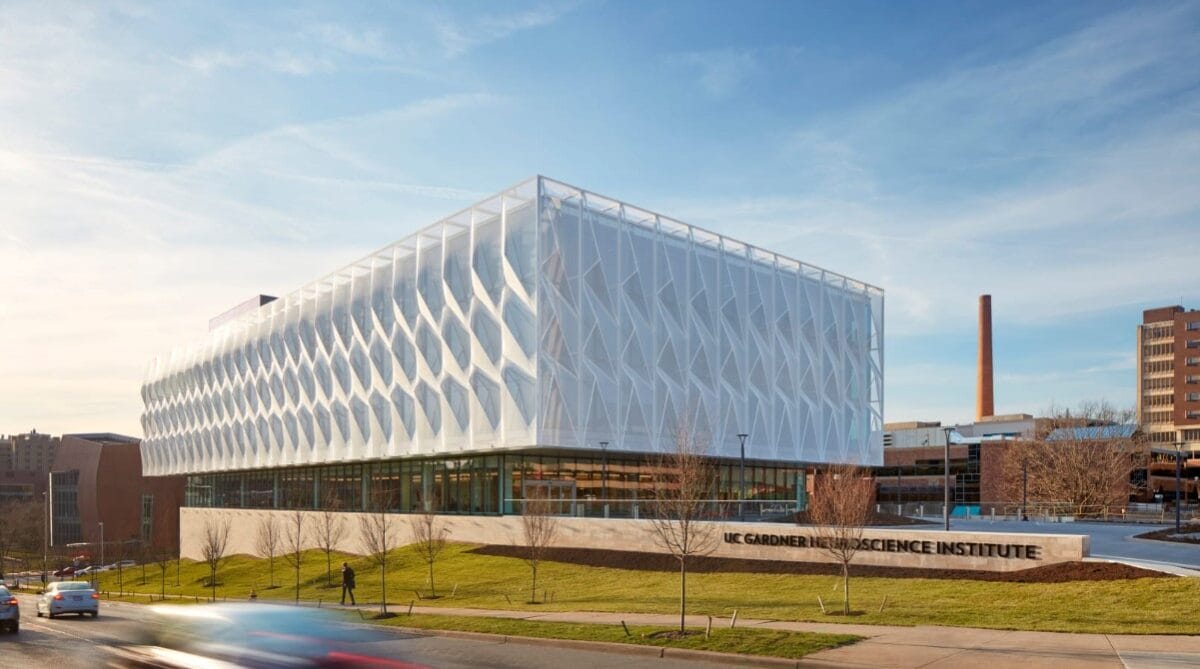
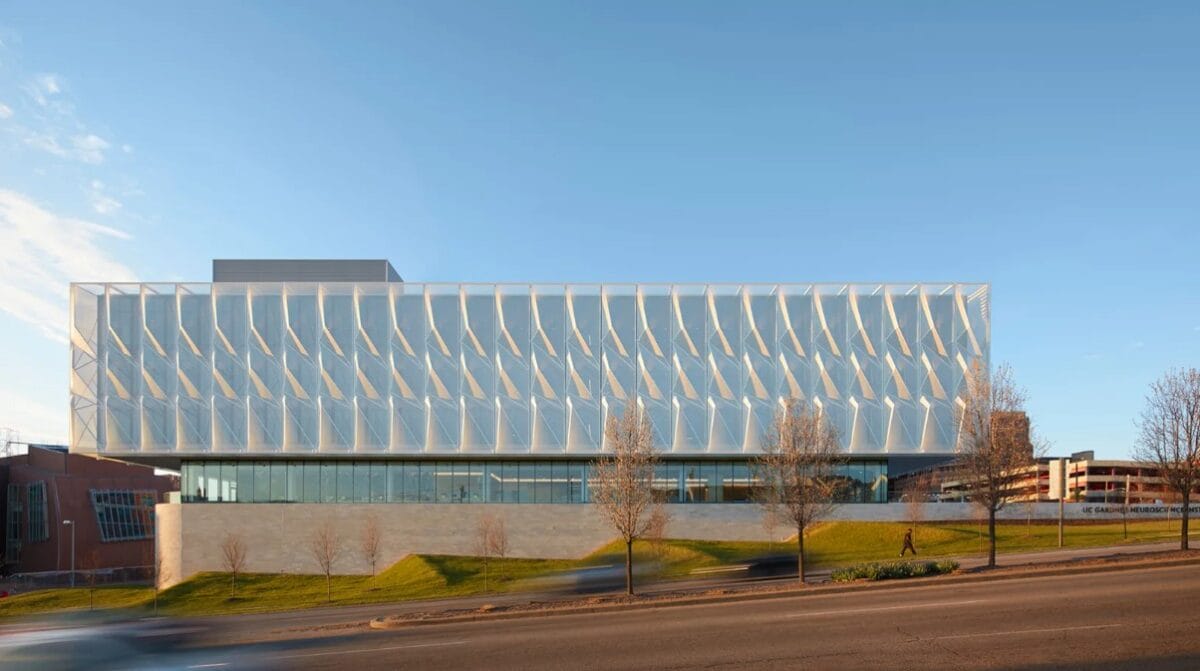
While the creation of the innovative facade arose from the desire to protect patients and improve the work of staff, during operation, it became a symbol of the synthesis of the health care system, technical excellence and humane care.


